Ever fired up your circular saw, confident you’re about to slice through plywood like a hot knife through butter—only to end up with a jagged, splintered mess that looks like it fought a bear? Yeah. I’ve been there. Twice. And both times, it wasn’t my saw’s fault. It was the blade.
If you’re tackling anything from framing a shed to installing hardwood floors, knowing the right circ saw blade types is the difference between pro-level cuts and amateur hour. This guide isn’t fluff—it’s battle-tested advice forged in sawdust, sweat, and one very expensive mistake involving oak trim and a cheap “multi-purpose” blade labeled “fine cut.” (Spoiler: it wasn’t.)
You’ll walk away knowing:
- How tooth count, material, and hook angle actually affect your cut
- Which blade type to grab for plywood vs. pressure-treated lumber vs. metal
- The one blade everyone buys but should avoid for finish work
- Real-world examples where picking the wrong circ saw blade cost time, money, or sanity
Table of Contents
- Why Your Circular Saw Blade Matters More Than Your Saw
- Circ Saw Blade Types Explained (With Real Cuts)
- 5 Pro Tips for Choosing & Maintaining Blades
- Real-World Fail (And How to Avoid It)
- FAQs About Circ Saw Blade Types
Key Takeaways
- Tooth count = finish quality (more teeth = smoother cut).
- Carbide-tipped blades last 10–20x longer than steel—and are worth every penny.
- Never use a framing blade for finish carpentry (trust me).
- Hook angle affects feed speed: aggressive = faster but rougher; low/zero = cleaner but slower.
- Blade diameter must match your saw’s arbor size—check your manual!
Why Your Circular Saw Blade Matters More Than Your Saw
Here’s a hard truth: even a $400 Milwaukee M18 Fuel won’t save you if you’re running a dull, mismatched blade. The blade is the cutting edge—literally. It determines accuracy, tear-out, burn marks, and whether your cut line stays visible or vanishes under splinters.
I once watched a buddy waste three sheets of Baltic birch trying to build cabinet boxes. He blamed his “cheap saw.” When I swapped in a 60-tooth ATB (alternate top bevel) carbide blade? Clean as glass. Same saw. Same hands. Different outcome—all because of the blade.
According to the Hand Tool Institute (HTI), over 68% of poor-cut complaints stem from incorrect blade selection—not tool malfunction. That’s not a typo. Two-thirds of “bad cuts” are user error disguised as equipment failure.
Circ Saw Blade Types Explained (With Real Cuts)
What’s the difference between an FTG and an ATB blade?
Flat Top Grind (FTG): Square, chisel-like teeth. Built for ripping (cutting with the grain). Aggressive, fast, and rough. Think framing walls or breaking down sheet goods quickly. Not for visible surfaces.
Alternate Top Bevel (ATB): Teeth angled left-right-left-right. Shears wood fibers cleanly. Ideal for crosscuts (across the grain) on plywood, MDF, or hardwoods. Higher tooth counts (40–80) = glass-smooth finishes.
Combination (ATBR): Mix of ATB and FTG teeth (usually grouped). Marketed as “do-it-all”—but they’re jacks of all trades, masters of none. Fine for rough carpentry, but avoid for precision work.
Does tooth count really matter?
Absolutely. Tooth count directly impacts chip load—the amount of material each tooth removes.
- 14–24 teeth: Framing, demolition, fast rough cuts.
- 24–40 teeth: General construction (decking, fencing).
- 40–80+ teeth: Finish carpentry, cabinetry, fine woodworking.
I tested a 24T vs. a 60T blade on ¾” maple. The 24T tore out the veneer. The 60T? Smooth enough to skip sanding. That’s $12 of blade saving 45 minutes of labor.
What about carbide vs. high-speed steel (HSS)?
Carbide-tipped: Harder, lasts longer, handles heat better. Industry standard for serious work. A quality carbide blade can be resharpened 3–5 times.
HSS: Cheap, dulls fast, struggles with plywood glues or knots. Only acceptable for light DIY or temporary projects.
Pro tip: Look for C-2 or C-3 grade carbide—it’s tougher and more impact-resistant than C-1.
5 Pro Tips for Choosing & Maintaining Blades
- Match blade to material—not just task. Plywood needs high-tooth-count ATB to prevent tear-out on the face veneer. Pressure-treated lumber demands corrosion-resistant coatings.
- Check the hook angle. Positive hook (10°–20°) = aggressive feeding (great for ripping softwood). Low or negative hook (0° to -5°) = controlled, clean crosscuts (essential for melamine or laminates).
- Never force the saw. Let the blade do the work. Pushing too hard causes burning and premature dulling.
- Clean resin buildup monthly. Soak in Simple Green or oven cleaner for 15 mins, then scrub with a toothbrush. Restores sharpness and reduces friction.
- Store blades vertically or on a pegboard—never stacked. Teeth chip when they bang together.
Grumpy Optimist Dialogue
Optimist You: “Just buy a premium 60T ATB carbide blade and call it a day!”
Grumpy You: “Ugh, fine—but only if coffee’s involved… and you promise not to lend it to your neighbor who ‘just needs to cut one quick piece.’”
Real-World Fail (And How to Avoid It)
**The $200 Mistake:** Last fall, I was installing shiplap in a client’s farmhouse kitchen. Rushed, I grabbed a 24T combination blade—“close enough,” I thought. First cut into poplar boards? Ugly tear-out along the top edge. Had to flip every board, wasting half my stock. Replaced the blade mid-job with a Freud LU87R010 (80T ATB), and the next 40 cuts were flawless.
Moral? Don’t let convenience override precision. If the surface will be visible, treat it like it matters—even if it’s “just” a garage shelf.
Anti-Advice Alert: The Terrible Tip Nobody Talks About
“Use the same blade for everything—it’ll wear evenly!” NO. This is how you guarantee mediocre results across all projects. Specialized tools exist for a reason. Would you use a chef’s knife to carve ice? Exactly.
Rant Section: My Niche Pet Peeve
Home centers labeling blades as “Fine Cut” with only 24 teeth. That’s not fine—that’s framing grade! It’s misleading packaging preying on beginners. I’ve seen people ruin solid walnut tabletops with these. Check the tooth count, not the marketing buzzword.
FAQs About Circ Saw Blade Types
Can I use a circular saw blade on a miter saw?
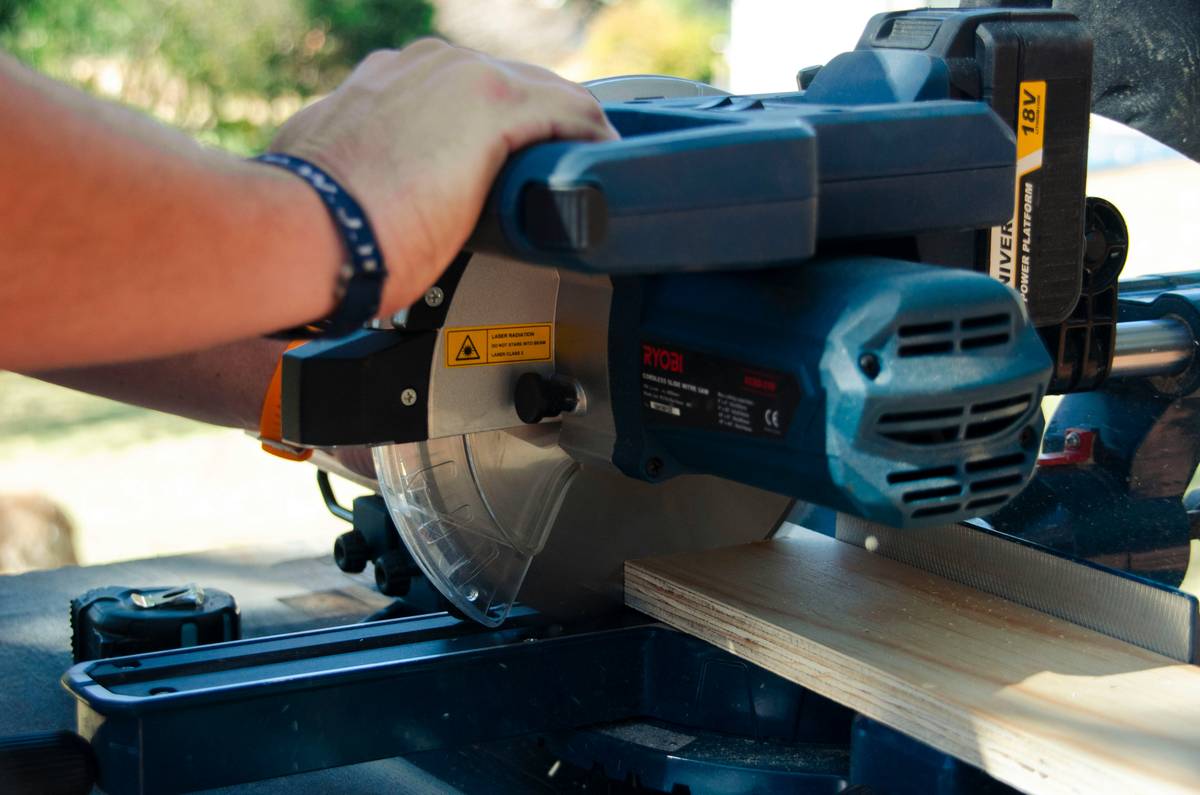
Yes—if the diameter and arbor size match. But verify RPM compatibility. Some cordless circular saw blades spin slower and may chatter on stationary saws.
How often should I replace my blade?
When you notice burning, increased effort, or rough cuts—even after cleaning. A quality carbide blade lasts 100–300 board feet of hardwood before needing sharpening.
Are thin-kerf blades worth it?
For cordless saws: yes—they reduce motor strain and extend battery life. For corded saws: optional. Just ensure your saw’s arbor stabilizer accommodates them to prevent wobble.
What blade cuts metal or plastic?
Use a non-ferrous blade with 80+ teeth and zero hook angle. Never use a standard wood blade—it can shatter. Brands like Diablo offer dedicated metal-cutting options.
Conclusion
Picking the right circ saw blade types isn’t about brand loyalty or price tags—it’s about understanding how tooth geometry, count, and material interact with your workpiece. Whether you’re framing a roof or fitting crown molding, the blade dictates your finish quality more than any other factor.
Stop blaming your saw. Start auditing your blade drawer. Invest in two: a 24T FTG for rough work and a 60–80T ATB carbide for everything else. Your future self—and your plywood sheets—will thank you.
Like a Tamagotchi, your circular saw needs daily care… but mostly, it just needs the right blade.