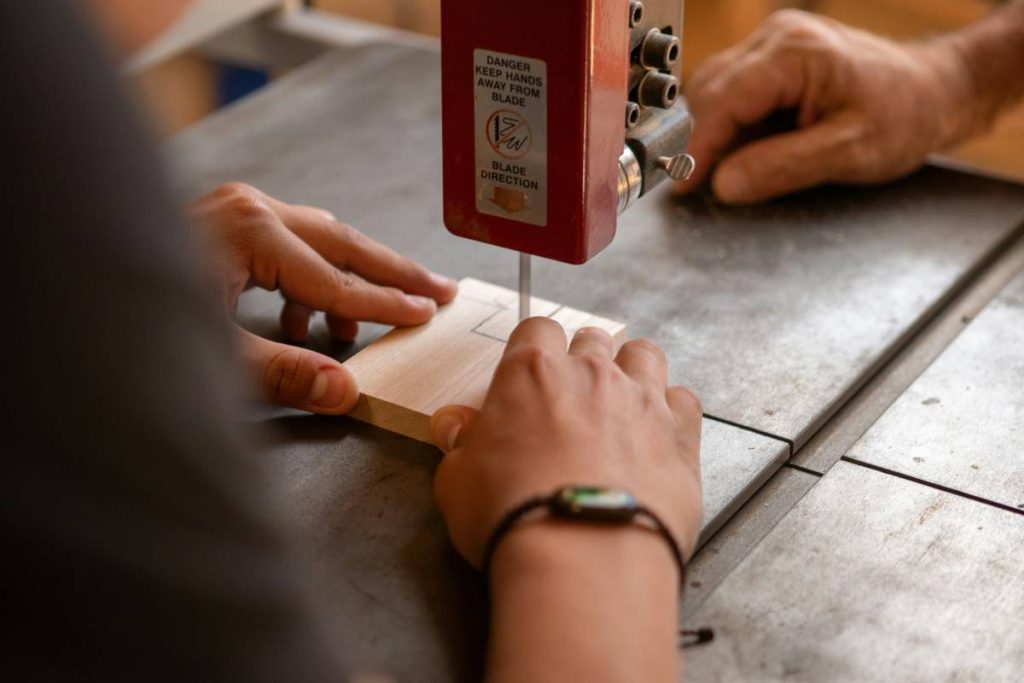
Ever stood in your garage staring at a warped, splintered cut and thought, “I followed the line exactly!”? Yeah. I’ve been there too—kneeling on sawdust-covered concrete, wondering why my “straight” cut looked like a toddler drew it blindfolded. Spoiler: it wasn’t me. It was the wrong tool.
If you’re tackling home improvement projects—from framing a shed to trimming deck boards—you need more than just grit and YouTube tutorials. You need the right saw with circular blade that actually delivers clean, accurate, powerful cuts without kicking back like an angry mule.
In this guide, you’ll learn:
- What makes a circular saw different from other power tools (and why it’s the Swiss Army knife of workshops)
- How to pick the perfect saw with circular blade for your skill level and project type
- Real-world mistakes even seasoned DIYers make—and how to avoid them
- Pro tips for cleaner cuts, longer blade life, and safer operation (trust me, your thumbs will thank you)
Table of Contents
- Why Every Homeowner Needs a Saw with Circular Blade
- How to Choose the Right Saw with Circular Blade
- 7 Best Practices for Flawless Cuts Every Time
- Real-World Case: From Wobbly Shelves to Precision Framing
- FAQs About Saws with Circular Blades
Key Takeaways
- A saw with circular blade is essential for straight, fast, repeatable cuts in wood, plywood, and even metal (with the right blade).
- Corded models offer consistent power; cordless provide mobility—but battery tech has improved dramatically since 2020 (thanks, DeWalt and Makita).
- Blade quality and alignment matter more than motor wattage alone.
- Always use a sharp blade, proper depth setting, and a guide rail or straightedge for precision.
- Safety isn’t optional: wear eye protection, secure your workpiece, and never force the saw.
Why Every Homeowner Needs a Saw with Circular Blade
Let’s be real: jigsaws are great for curves, but they wobble like a shopping cart with a busted wheel. Reciprocating saws? More demolition than precision. If you’re cutting 2x4s, sheet goods, or trim, nothing beats the raw efficiency of a saw with circular blade.
Circular saws dominated the construction and DIY world for good reason. According to the Construction Industry Research Board, over 85% of residential framing crews rely on circular saws as their primary cutting tool—because they’re fast, portable, and accurate when used correctly.
I learned this the hard way during my first deck build. I tried using a handsaw for ledger board notches (don’t ask). After two knuckle-scrapes and one near-miss with the AC unit, I broke down and bought a Makita 5007NB. Game. Changer. Suddenly, rip cuts were straight, bevels were crisp, and my weekend project didn’t stretch into next Tuesday.
How to Choose the Right Saw with Circular Blade
What size blade do you actually need?
Most standard circular saws use a 7¼-inch blade—that’s the sweet spot for cutting through 2x lumber and ¾-inch plywood in one pass. But if you’re working in tight spaces (like attic trusses), consider a compact 6½-inch model. Pro tip: bigger blades = smoother cuts, but heavier saws.
Corded or cordless?
Optimist You: “Go cordless! Freedom! No tripping over extension cords!”
Grumpy You: “Ugh, fine—but only if coffee’s involved… and your battery’s fully charged.”
Honestly? For occasional use (trimming shelves, cutting drywall), modern 18V or 20V Max cordless saws (like Milwaukee M18 Fuel or DeWalt DCS571) deliver enough torque for most DIY jobs. But if you’re cutting all day—framing walls, sheathing roofs—corded wins. No runtime anxiety, full 15-amp power, and consistent RPM under load.
Left-blade vs. right-blade design
This trips people up. In a right-blade saw (most common), the blade sits on the right side when you hold the handle. Lefties often prefer left-blade models (like Skil’s SPT67WL-01) because they can see the cut line clearly without leaning over the saw body.
7 Best Practices for Flawless Cuts Every Time
- Use a sharp, high-quality blade. A cheap $8 blade dulls after three sheets of plywood. Invest in carbide-tipped blades (like Freud Diablo or IRWIN Marathon) for cleaner cuts and longer life.
- Set the blade depth correctly. The blade should extend only ~¼ inch below your material’s thickness. Less exposure = less tear-out and safer operation.
- Secure your workpiece. Clamps > holding it down with your foot. Seriously—I once had a 4×8 sheet jump off sawhorses mid-cut. Not fun.
- Use a straightedge guide. Clamp a level or aluminum straightedge parallel to your cut line. Run the saw base against it for laser-straight results.
- Let the saw do the work. Don’t push it like you’re shoving a stalled Prius. Feed rate matters—too fast = burning; too slow = rough edges.
- Clean your saw regularly. Resin buildup on the shoe plate causes binding. Wipe it down with denatured alcohol monthly.
- Check blade alignment. Misaligned blades cause crooked cuts—even if your guide is perfect. Use a square to verify.
The Terrible Tip You Should Never Follow
“Just eyeball the cut—it’s close enough.” Nope. Unless you enjoy sanding, patching, or redoing entire sections, measure twice and cut *guided*. Precision isn’t perfectionism—it’s respect for your future self.
Real-World Case: From Wobbly Shelves to Precision Framing
Last year, my neighbor Mark tried building garage shelves with a borrowed jigsaw. Result? Sagging, uneven shelves that looked like a funhouse mirror. We swapped his tool for a Ryobi P508 (budget-friendly, 18V cordless saw with circular blade), taught him to use a Kreg Rip-Cut guide, and boom—three hours later, he had six dead-straight shelves.
He went on to frame his backyard shed using the same saw, cutting 80+ 2×6 rafters with consistent accuracy. His secret? A $25 carbide-tipped 24-tooth framing blade and the discipline to clamp every piece. Total cost: under $200. Professional result: priceless.
FAQs About Saws with Circular Blades
Can a saw with circular blade cut metal or tile?
Yes—but only with specialized blades (e.g., abrasive cutoff wheels for metal, diamond blades for tile). Never use a standard wood-cutting blade on these materials. Always check your saw’s manual for compatibility.
How often should I replace the blade?
It depends on usage, but signs include burning wood, chipping instead of slicing, or visible dings on the carbide teeth. On average, a quality blade lasts 12–24 sheets of plywood before needing sharpening or replacement.
Is a circular saw safer than a table saw?
Both can be dangerous if misused. Circular saws have exposed blades but offer better control for large sheets. Table saws are stationary but risk kickback. Always wear safety glasses, unplug when changing blades, and keep hands clear of the cutting path.
What’s the difference between a worm drive and a sidewinder circular saw?
Sidewinders (most common) have the motor inline with the blade—lighter, easier for beginners. Worm drives place the motor at the rear, delivering higher torque for heavy-duty framing but weighing 2–3 lbs more. Pros love them; DIYers often prefer sidewinders.
Conclusion
A saw with circular blade isn’t just another power tool—it’s your shortcut to professional-looking results without hiring a contractor. Whether you’re repairing storm damage, building a playset, or upgrading kitchen cabinets, choosing the right model, blade, and technique transforms frustration into finished projects.
Remember: measure with obsession, cut with confidence, and never skip safety gear. Your future self—with intact fingers and straight shelves—will high-five you.
Like a Tamagotchi, your circular saw needs daily care: charge it, clean it, and treat it like the precision instrument it is.
Haiku:
Spinning steel bites wood,
Dust flies, lines stay razor-sharp—
Project done by noon.