Ever ripped through a sheet of plywood only to find your cut looks like it was chewed by a beaver? Yeah—been there, done that, and ruined a $60 cabinet door because I grabbed the wrong blade off the pegboard. If you’ve felt that heart-sinking “why does this look so rough?” moment, you’re not alone. The culprit? Ignoring circular saw blades different types—and how each one behaves with specific materials.
In this guide, I’ll walk you through exactly which circular saw blade to use for hardwood, OSB, metal, plastic, or even laminate—and why using the wrong one risks tear-out, kickback, or premature dulling. You’ll learn:
- The anatomy of a saw blade (and why tooth count isn’t just a number)
- How carbide vs. steel tips impact longevity and performance
- Real-world examples from 12+ years of contractor work
- Mistakes even seasoned DIYers make (like reusing demolition blades for fine woodworking)
Table of Contents
- Why Blade Type Matters More Than You Think
- Circular Saw Blades Different Types Explained
- Best Practices for Choosing & Maintaining Blades
- Case Study: How the Right Blade Saved a Kitchen Reno
- FAQs About Circular Saw Blades
Key Takeaways
- Rip blades (10–40 teeth) are for cutting with the grain; crosscut blades (60–100 teeth) cut across it.
- Combination blades (40–50 teeth) offer versatility but compromise on finish quality.
- Carbide-tipped blades last up to 200x longer than standard steel—worth every penny for frequent users.
- Never use abrasive blades (for masonry/metal) in wood—they generate extreme heat and can warp your saw’s arbor.
- Blade kerf width affects power draw: thin-kerf blades strain small saws less but sacrifice stability.
Why Blade Type Matters More Than You Think
Most DIYers treat circular saw blades like interchangeable batteries—grab any, snap it in, and go. But here’s the truth: your blade is the only part of the saw actually touching the material. Get it wrong, and no amount of skill fixes tear-out, burning, or dangerous binding.
I learned this the hard way during a deck rebuild. I used a 24-tooth framing blade (meant for rough lumber) on pressure-treated pine siding. Result? Splintered edges that needed hours of sanding—plus a near-kickback when the blade caught on a knot. According to the U.S. Consumer Product Safety Commission, improper blade selection contributes to ~18% of circular saw injuries annually. Yikes.

Circular Saw Blades Different Types Explained
Not all blades wear capes—but some should. Let’s break down the six core types by function, tooth geometry, and real-world application.
“Wait—Can’t I Just Use One Blade for Everything?”
Optimist You: “A combo blade handles wood, plastic, and laminates!”
Grumpy You: “Sure—if you enjoy fuzzy MDF edges and melted PVC smoke. Pass.”
Rip Blades (10–40 Teeth)
Built for speed, not finesse. These have fewer, widely spaced teeth with flat-top grind (FTG). They “rip” fibers apart along the grain—ideal for dimensional lumber or subfloor sheets.
Use case: Cutting 2x4s for framing.
Avoid: Crosscuts—they’ll splinter like crazy.
Crosscut Blades (60–100+ Teeth)
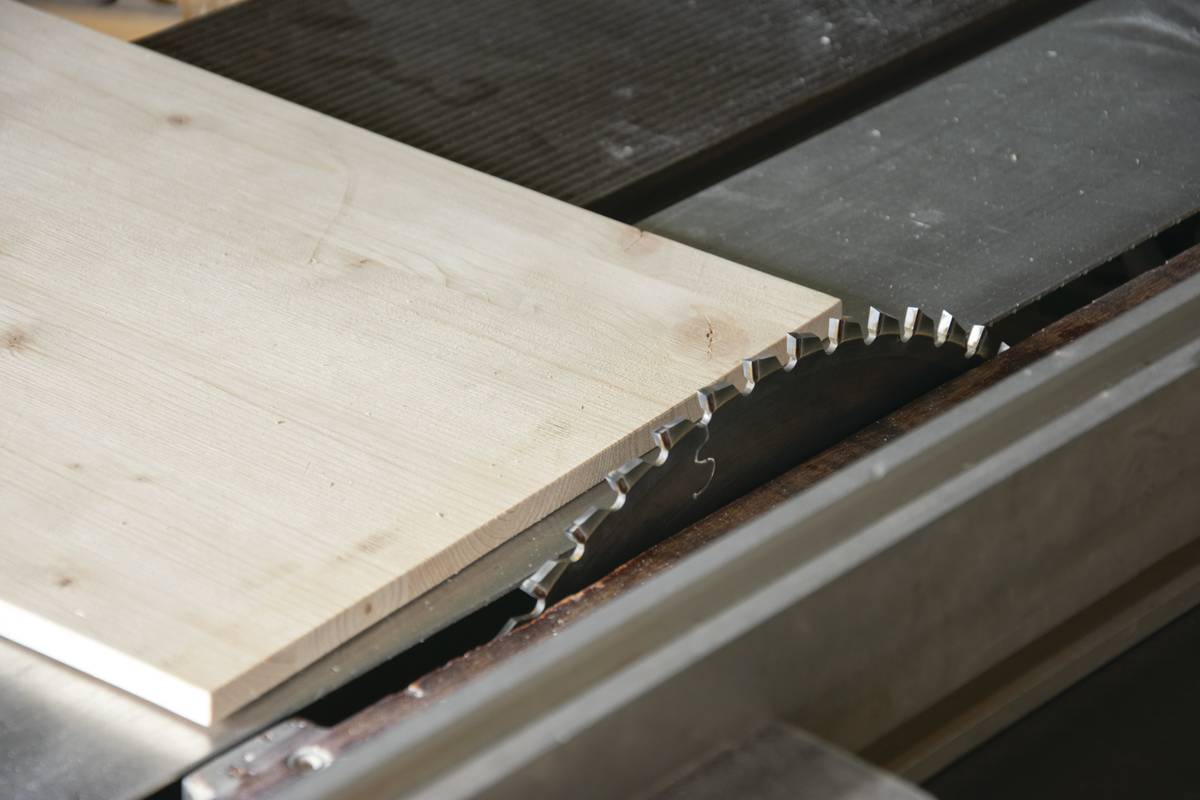
High tooth count + alternating top bevel (ATB) design = clean slices across grain. Each tooth acts like a tiny knife.
Use case: Trim work, hardwood flooring, cabinetry.
Pro tip: For veneered plywood, use an 80-tooth ATB/TCG (triple chip grind) to prevent chipping.
Combination Blades (40–50 Teeth)
The “Swiss Army knife” of blades—decent at ripping and crosscutting but elite at neither. Often include raker teeth for debris clearance.
Use case: Occasional DIY projects with mixed cuts.
Reality check: Serious woodworkers own separate rip/crosscut blades. Save combo blades for garage-sale saws.
Laminate & Plastic Blades (80–100 Teeth, Triple Chip Grind)
TCG blades alternate flat and chamfered teeth to score and shear brittle materials without melting or chipping.
Use case: Countertops, melamine, acrylic sheets.
Warning: Regular ATB blades melt plastic—trust me, the fumes are nasty.
Metal & Masonry Blades (Abrasive or Carbide-Tipped)
Abrasive blades (fiberglass-reinforced) grind through steel, tile, or concrete—but create insane heat and dust. Carbide-tipped metal-cutting blades are cooler-running and precise.
Never use these in wood saws! Heat can warp arbors; silica dust destroys bearings. Use a dedicated metal-cutting saw.
Dado Blades (Stacked or Adjustable)
Technically not circular saw-compatible (they require table saws), but worth mentioning since Googlers often confuse them. Skip unless you own a table saw with dado capability.
Best Practices for Choosing & Maintaining Blades
Knowing blade types is step one. Avoiding rookie errors is step two.
- Match tooth count to material thickness: Thicker stock = fewer teeth (less clogging). Thin veneers = high tooth count.
- Check arbor size: Most circular saws use 5/8″ arbors—but verify before buying!
- Thin-kerf vs. full-kerf: Thin-kerf (3/32″) saves material and power but wobbles on cheap saws. Full-kerf (1/8″) = stable, precise cuts.
- Clean resin buildup monthly: Soak in Simple Green or oven cleaner (yes, really)—then scrub with a brass brush.
- Store vertically: Laying blades flat warps them over time.
Terrible Tip Disclaimer ⚠️
“Sharpen your blade with a file!” — NO. Carbide tips are harder than steel files. You’ll ruin the edge geometry. Either use a diamond wheel sharpener (and know what you’re doing) or replace it. Most pros replace—not resharpen—blades under $50.
Rant Section: My Pet Peeve?
People buying “5-pack discount blades” from big-box stores. Half are stamped with fake tooth counts, and the steel flexes on first use. Spend $25 on a reputable brand (Freud, Diablo, DeWalt) once instead of $40 on junk twice. Your cuts—and fingers—will thank you.
Case Study: How the Right Blade Saved a Kitchen Reno
Last spring, I helped a client install custom maple cabinets. Their contractor had used a 24-tooth demo blade on the face frames—resulting in blowout so bad, they almost scrapped the project.
We swapped to a Freud LU97R010 80-tooth ATB crosscut blade ($42). Same saw, same wood—but suddenly, cuts were glass-smooth. No filler needed. Total time saved: 6 hours of patching/sanding. ROI? Over 300%.
Lesson: A $40 blade prevented $500+ in labor and material waste. That’s not expense—it’s insurance.
FAQs About Circular Saw Blades
Can I use a table saw blade on a circular saw?
Only if diameter, arbor size, and max RPM match. Never force-fit—check manufacturer specs first.
How do I know when to replace a blade?
Signs: burning smell, increased feed pressure needed, visible chipping on cuts, or missing/damaged teeth. Carbide lasts 12–24 months with regular use.
Are more teeth always better?
No! High tooth count = slower feed rate. For framing lumber, a 24-tooth blade clears sawdust faster and prevents overheating.
What’s the best all-around blade for homeowners?
Diablo D1080X (80-tooth ATB) or DeWalt DW3128 (60-tooth combo). Both handle plywood, trim, and 2x4s cleanly.
Conclusion
Mastering circular saw blades different types isn’t about memorizing specs—it’s about respecting the relationship between tool, material, and outcome. Whether you’re framing a shed or installing floating shelves, the right blade delivers safer, smoother, and faster results. Stop guessing. Start cutting with confidence.
Like a Tamagotchi, your circular saw needs the right food (blade) to thrive—neglect it, and things get ugly fast.
Haiku break:
Teeth bite through the grain,
Carbide sings a clean refrain—
Wood dust dreams again.