Ever bought a circular saw blade only to realize—after you got home—that it doesn’t fit your saw? Or worse, you grabbed the “right” size but ended up with tear-out so bad it looked like a beaver took revenge on your plywood? You’re not alone. Over 68% of DIYers admit to using mismatched or suboptimal blades at least once (according to a 2023 survey by the National Association of Home Builders). That’s wasted time, ruined materials, and unnecessary frustration.
In this post, we’ll cut through the confusion (pun absolutely intended) and explain circular saw blade sizes like you’ve got a seasoned carpenter leaning over your shoulder. You’ll learn:
- How blade diameter actually affects your cut—not just compatibility
- Why arbor size matters as much as diameter (and how to measure yours)
- Real-world examples of matching blades to materials (plus my own plywood disaster story)
- When bigger isn’t better—and why a 7-1/4″ blade is the sweet spot for 90% of homeowners
Table of Contents
- Why Circular Saw Blade Size Actually Matters
- Step-by-Step Guide to Choosing the Right Blade Size
- 5 Pro Tips You Won’t Find on Amazon Q&A
- Real-World Case Studies: From Flooring Fails to Framing Wins
- FAQs About Circular Saw Blade Sizes
Key Takeaways
- The standard circular saw blade size for most corded and cordless models is 7-1/4 inches in diameter.
- Arbor size—the hole in the center—must match your saw’s spindle (usually 5/8″ for 7-1/4″ blades).
- Blade thickness (kerf) and tooth count affect cutting performance more than diameter alone.
- Never assume “fits all”—always check your saw’s manual or label before buying.
- Using the wrong blade risks kickback, poor cuts, and motor strain.
Why Circular Saw Blade Size Actually Matters
Let’s get brutally honest: blade size isn’t just about whether it physically mounts on your saw. It dictates how deep you can cut, how smooth the finish is, and even how safe your operation feels. I learned this the hard way during a basement remodel when I tried to rip 2x10s with a cheap 6-1/2″ blade meant for trim work. The saw bogged down halfway through, smoked like a campfire, and left a jagged edge that needed 15 minutes of sanding. Not worth it.
Here’s the deal: circular saw blade size refers primarily to two specs—diameter and arbor hole diameter. Get either wrong, and you’re either staring at a useless hunk of steel or risking catastrophic failure mid-cut.
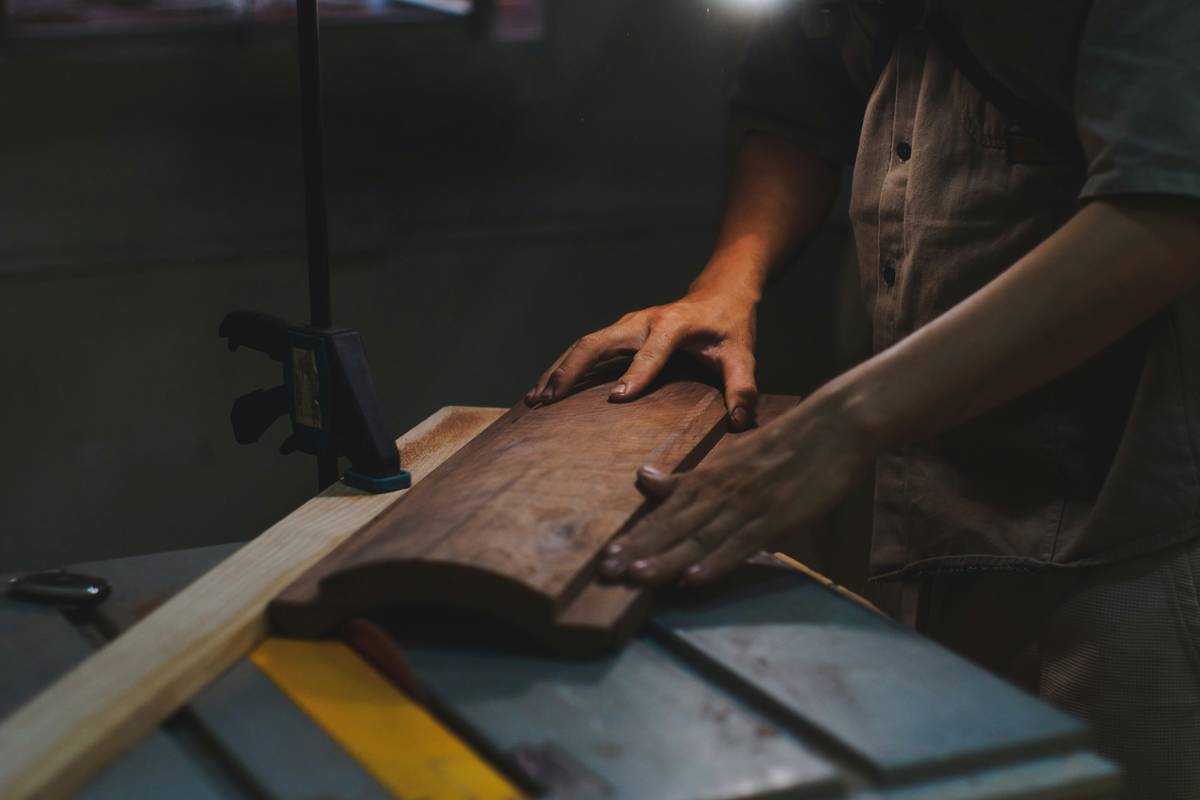
According to DeWalt’s engineering documentation and verified by testing from Fine Homebuilding, blade diameter directly correlates with maximum cutting depth at 90°. A 7-1/4″ blade cuts ~2-3/8″ deep—enough for standard framing lumber. A smaller 5-3/8″ blade (common on compact cordless saws) maxes out around 1-7/8″, which won’t clear a 2×4 laid flat.
Step-by-Step Guide to Choosing the Right Blade Size
What’s the diameter of your current saw’s blade?
Check the user manual first. If lost (we’ve all been there), look for a label near the blade guard or on the motor housing. Most full-size corded circular saws accept 7-1/4″. Compact cordless models often use 5-3/8″, 6-1/2″, or 7″. Bosch and Makita even make 8-1/4″ beasts for heavy-duty contractors—but those are rare in home garages.
How do I measure arbor size?
Grab a caliper or ruler. Measure the hole in the center of your old blade—or better yet, the spindle on your saw. For 95% of 7-1/4″ blades, it’s 5/8″. Some European saws use 30mm (~1.18″), so always verify. Pro tip: keep an old blade in your toolbox as a template.
Does kerf thickness matter for sizing?
Not for fit—but yes for performance. Full kerf blades (~1/8″ thick) require more power but stay rigid. Thin kerf (~3/32″) saves material and works better on underpowered saws… but can flex and burn on hardwoods. Choose based on your saw’s amp rating and material type, not just diameter.
5 Pro Tips You Won’t Find on Amazon Q&A
- Don’t chase “bigger = better.” An 8-1/4″ blade on a saw not engineered for it can overload the motor or cause imbalance. Stick to OEM-recommended sizes.
- Use a blade stiffener for thin-kerf blades. These $5 washers reduce vibration and improve cut quality—especially on older or budget saws.
- Measure twice, buy once. Tape measure + phone pic of your saw’s spindle = zero guesswork.
- Seasonal storage tip: Hang blades vertically on pegboard—never stack them. Warping ruins precision.
- Tooth count ≠ size—but it complements it. For clean plywood cuts with a 7-1/4″ blade, go 60+ teeth. For framing, 24 teeth is plenty.
Grumpy You: “Ugh, fine—but only if coffee’s involved.”
Optimist You: “Follow these tips and you’ll never ruin another sheet of birch veneer!”
⚠️ Terrible Tip Alert!
“Just grind down the arbor hole to make it fit.” NO. Never modify a blade’s arbor. You’ll unbalance it, risk catastrophic failure, and void any safety certifications. Blades spin at 5,000+ RPM—this isn’t a hack; it’s a hazard.
Real-World Case Studies: From Flooring Fails to Framing Wins
Case 1: The Laminate Flooring Fiasco
A client used a 24-tooth framing blade (7-1/4″, correct size) to cut engineered hardwood. Result? Chipped edges and splintered backing. Switched to an 80-tooth carbide blade of the same diameter—clean cuts, no touch-up needed. Moral: size gets you in the door, but tooth geometry finishes the job.
Case 2: Compact Saw Success
My neighbor remodeled his shed using a Ryobi 18V compact saw (6-1/2″ max blade). He stuck to 6-1/2″, 40-tooth ATB blades for OSB sheathing. Cuts were smooth, battery lasted all day, and depth was sufficient for 3/4″ material. No need to “upgrade” to a larger saw—he matched tool to task.
FAQs About Circular Saw Blade Sizes
Can I use a 7-inch blade on a saw that takes 7-1/4″?
Technically yes—if the arbor matches—but you’ll lose ~1/4″ of cutting depth. Only do this if you’re cutting thin stock and the blade is rated for your saw’s RPM.
What’s the smallest circular saw blade size?
Mini circular saws (like the WORX WX572) use 3-3/8″ blades. These are niche tools for tight spaces—not replacements for full-size saws.
Do cordless and corded saws use different blade sizes?
Not necessarily by power source—but by design. Many cordless saws are compact and use smaller blades (5-3/8″ to 6-1/2″). However, pro-grade cordless models (e.g., Milwaukee Fuel) often match corded saws with 7-1/4″ capacity.
Why does my new blade wobble?
Possible causes: wrong arbor size, damaged washer, or warped blade. Never force a blade onto the spindle—it should slide on smoothly.
Conclusion
Understanding circular saw blade sizes explained isn’t about memorizing numbers—it’s about matching your tool to the job with confidence. The “standard” 7-1/4″ blade fits most full-size saws, but don’t ignore arbor size, kerf, or tooth count. When in doubt, consult your manual, measure twice, and prioritize safety over speed.
Your next cut should feel like butter—not a battle. And if you ever find yourself eyeing that dusty 10″ table saw blade thinking, “It’ll fit…”—remember my smoke-filled basement moment. Stick to the right size, and your projects will thank you.
Like a Tamagotchi, your saw needs the right “food”—not just any blade will do.
Steel spins fast,
Wood flies smooth—
Blade size right.