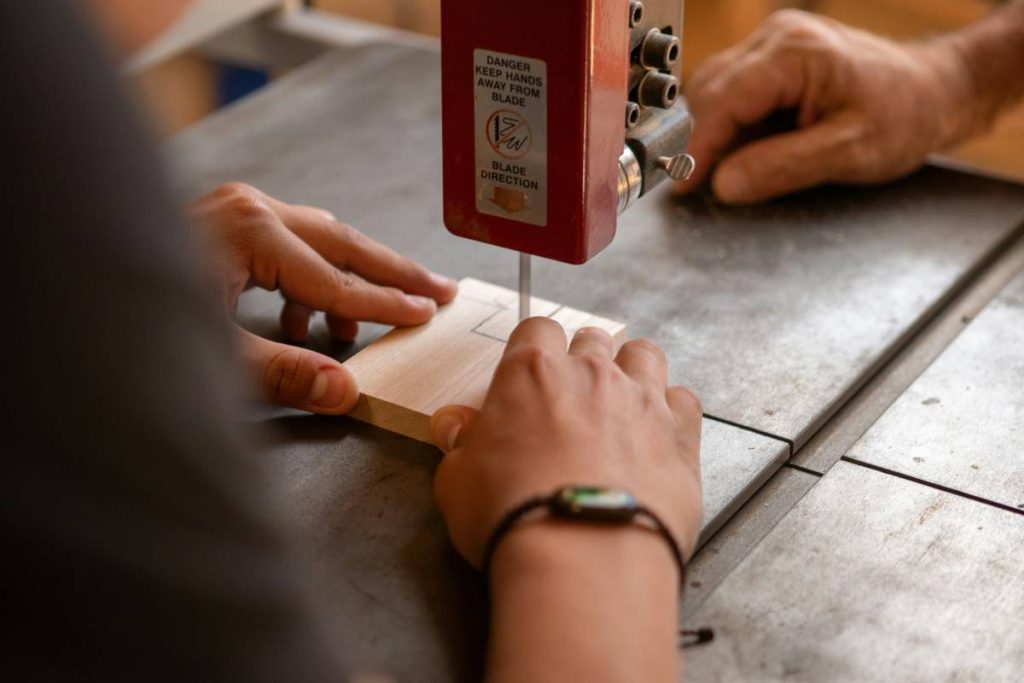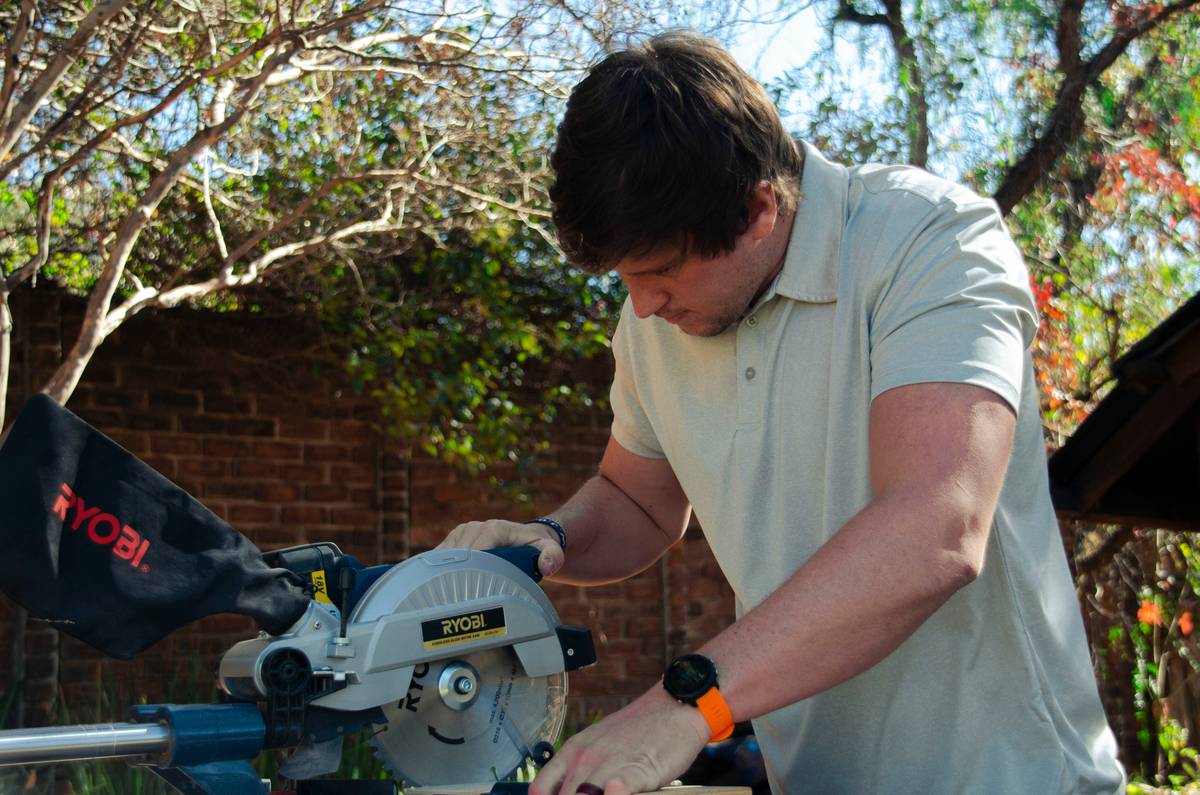
You buy a new circular saw blade. It’s “premium.” It’s “carbide-tipped.” You trust it—until it chips halfway through your hardwood, leaves burn marks on softwood, or outright shatters on plywood with nails. Worse: you never knew the circular saw blade metal type was the real culprit. Most DIYers and even seasoned pros overlook this detail until something goes wrong. Here’s how to get it right—every time.
Why Generic Blade Advice Fails (Even From “Experts”)
“Use carbide for wood, steel for metal”—sounds simple, right? Wrong. That oversimplification ignores alloy composition, heat treatment, and bonding integrity. And it ignores reality: modern materials aren’t pure. Plywood has glue layers. Engineered lumber hides staples. Even treated lumber carries moisture that corrodes cheap substrates.
Blades marketed as “universal” often use low-grade steel bodies with inconsistent hardness. They warp under load. Vibration increases. Accuracy plummets. You blame your saw—not the blade’s spine.
Choosing the Right Circular Saw Blade Metal Type: A Practical Breakdown
Forget marketing fluff. Focus on three core components: the body material, the tooth tip alloy, and how they’re bonded.
Body Material Matters More Than You Think
The blade body isn’t just a carrier—it’s a precision disc that must stay flat at 5,000+ RPM. Cheap carbon steel flexes. High-carbon steel resists warping but lacks corrosion resistance. The sweet spot? Alloyed spring steel—heat-treated for rigidity and fatigue resistance. Look for bodies stamped with “SK5” or “6150”—industry codes for performance-grade steel.
Tooth Tip Alloys: Not All Carbide Is Equal
Yes, most quality blades use tungsten carbide tips—but grades vary wildly. C1-C2 carbide is tough, ideal for dense hardwoods or demolition work. C3-C4 is sharper but more brittle—great for fine finish cuts in clean softwood. If your blade dulls fast in MDF or laminates, it’s likely using an inappropriate grade.
Brazing Quality: The Hidden Failure Point
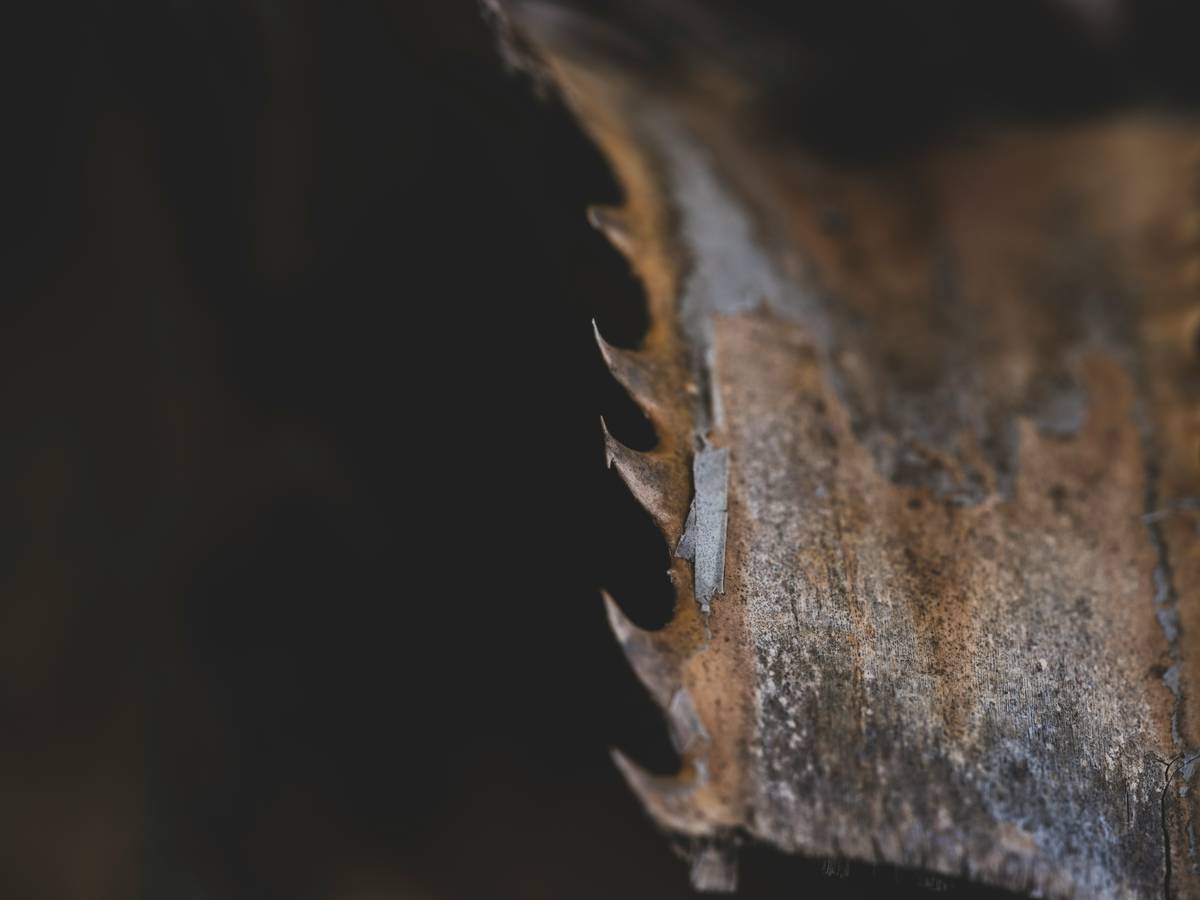
A blade can have premium carbide and steel—but if the brazing (the joint between tip and body) is weak, teeth will pop off mid-cut. Reputable brands use silver-copper brazing alloys with precise temperature control. Budget blades? Often skip post-braze stress-relief annealing. That’s why they fail after 20 minutes of continuous use.
| Blade Use Case | Recommended Body Metal | Tooth Tip Grade | Avoid If… |
|---|---|---|---|
| Rough Framing / Plywood | Heat-treated SK5 spring steel | C1 or C2 carbide | Blade body feels flimsy or bends slightly by hand |
| Fine Woodworking / Trim | Stainless-alloyed 6150 steel | C3 or C4 carbide | Teeth look poorly aligned or brazing appears lumpy |
| Metal Cutting (Non-Ferrous) | Tool steel with vibration-dampening slots | Cobalt-enhanced carbide or cermet | Marketed as “multi-material” without specifying metal compatibility |
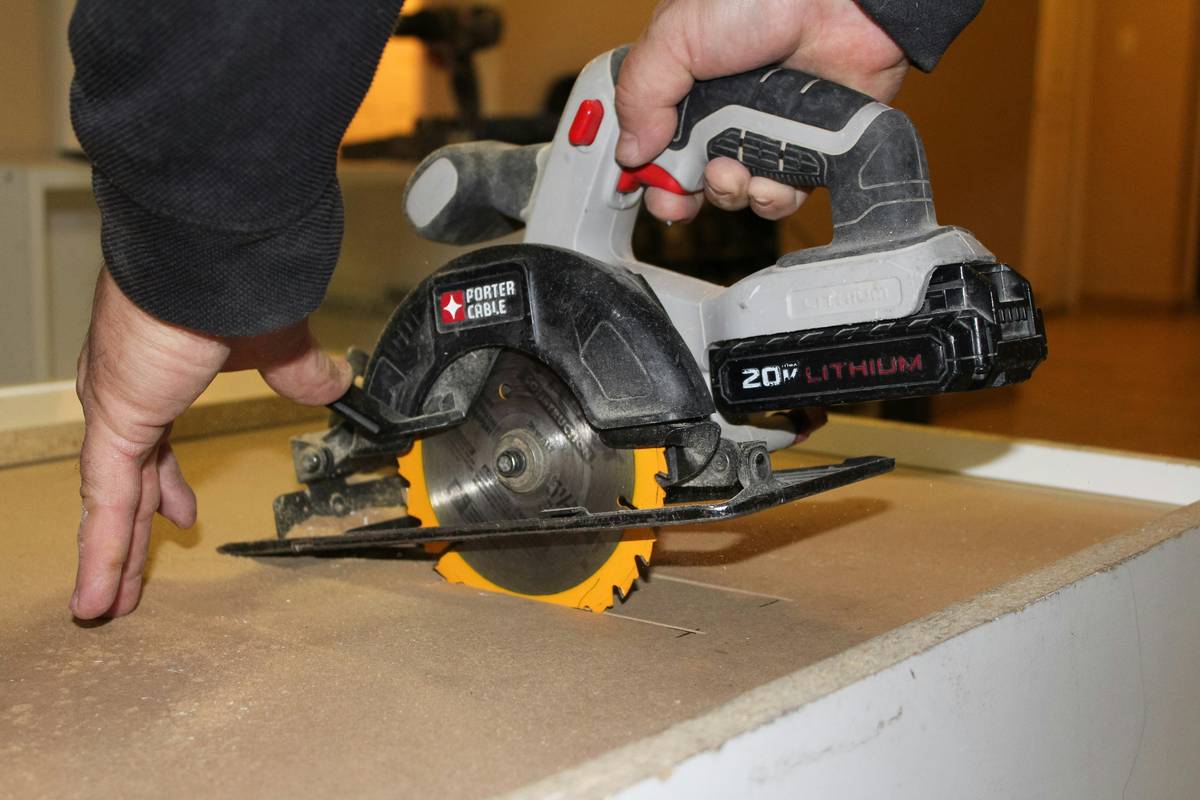
The Industry Secret: Blade Bodies Are Often Recycled—And That’s Okay (If Done Right)
Here’s what manufacturers won’t tell you: many premium blade bodies start as recycled aerospace-grade steel. Sounds risky? It’s not—if properly re-refined and re-heat-treated. In fact, some European mills produce more consistent microstructures from recycled sources due to tighter impurity controls. The problem isn’t recycling—it’s undisclosed sourcing. Brands like Freud and Leitz disclose their steel origins; others don’t. Demand transparency. Ask your supplier: “Is your body steel virgin or reclaimed—and what’s the ASTM spec?” If they hesitate, walk away.
FAQ
Can I use a wood-cutting circular saw blade on metal?
No—unless it’s explicitly rated for non-ferrous metals. Standard carbide tips on wood blades fracture on steel or aluminum, creating dangerous shrapnel.
Does a thicker blade body mean better quality?
Not necessarily. Thickness affects kerf width and stability, but a well-engineered thin-kerf blade with high-grade steel outperforms a thick, cheap one every time.
How do I know my circular saw blade metal type is failing?
Watch for excessive vibration, burned edges despite sharp teeth, or premature chipping. These often trace back to body flex or poor brazing—not dullness.