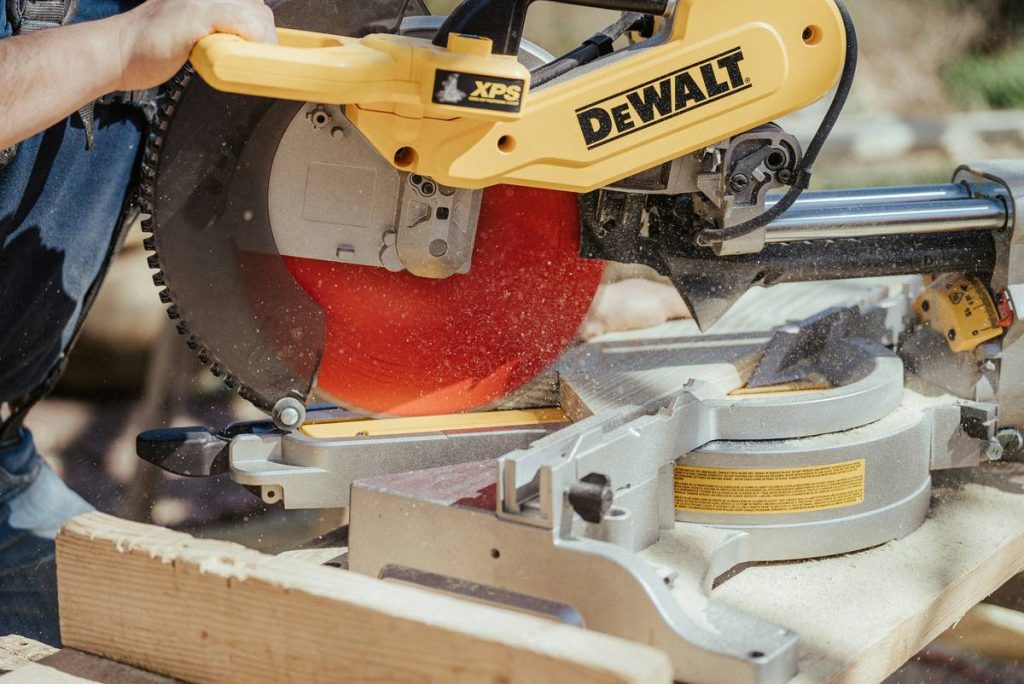
Ever ripped a sheet of plywood only to find your cut looks like it was done with a potato peeler? You’re not alone—I once spent an afternoon sanding a “rough” edge that turned out to be the saw blade’s fault, not mine. The culprit? Using a cheap combo blade meant for framing on fine hardwood joinery. Rookie mistake.
If you’ve ever wondered why your circular saw (affectionately called a “skill saw” in many workshops) leaves splintered edges, burns wood, or chugs like a dying lawnmower, the answer almost always lies in one place: your blade choice.
In this guide, we’ll decode the world of skill saw blade types—so you stop guessing and start cutting like a pro. You’ll learn the key differences between carbide-tipped blades, how tooth count affects finish quality, which materials demand specialized blades, and real-world recommendations based on 12+ years of hands-on carpentry and contractor-grade experience.
Table of Contents
- Why Does Skill Saw Blade Type Even Matter?
- Skill Saw Blade Types Explained: From Framing to Finish Work
- Pro Tips: Choosing & Maintaining Your Blade
- Case Studies: When the Right Blade Saved the Job
- Skill Saw Blade Types: FAQs Answered
Key Takeaways
- Not all circular saw blades are interchangeable—using the wrong type ruins material and risks kickback.
- Tooth count directly impacts cut speed vs. finish quality: fewer teeth = faster but rougher; more teeth = slower but smoother.
- Carbide-tipped blades last 10–50x longer than steel and handle hardwoods, plywood, and laminates without dulling fast.
- Material matters: wood, metal, masonry, and plastic each require specific blade geometries and coatings.
- Always match your blade’s arbor size (usually 5/8″) and maximum RPM rating to your saw.
Why Does Skill Saw Blade Type Even Matter?
You wouldn’t use a butter knife to fillet a salmon—and you shouldn’t use a demolition blade to install oak flooring. Yet too many DIYers and even weekend warriors slap whatever blade fits onto their circular saw and call it a day. Big mistake.
The U.S. Consumer Product Safety Commission reports over 37,000 circular saw-related injuries annually—many tied to improper blade selection causing binding, kickback, or loss of control (CPSC, 2023). Beyond safety, wrong blades cause tear-out, chipping, burning, and wasted materials. On a $400 sheet of Baltic birch plywood, one bad cut can cost you half your budget.
I learned this the hard way during a custom cabinet job. I grabbed a 24-tooth framing blade off the rack—it zipped through pine studs like a dream—but when I switched to maple veneer, the results were disastrous: splintered edges, chipped veneer, and a client who nearly walked. That day, I committed to understanding blade geometry, hook angles, and kerf width—not just as specs, but as practical tools.
Skill Saw Blade Types Explained: From Framing to Finish Work
What’s the difference between a framing blade and a finish blade?
Optimist You: “They both cut wood—how different can they be?”
Grumpy You: “Ugh, fine—but only if coffee’s involved… and maybe a new pair of earplugs.”
Framing blades (14–24 teeth) have aggressive hook angles (10°–20°) for fast, rough cuts in dimensional lumber. They prioritize speed over smoothness—perfect for building walls, but terrible for visible surfaces.
Finish blades (40–80+ teeth) use shallow or negative hook angles (0° to -5°) to reduce tear-out. More teeth = finer cut, ideal for trim, cabinetry, and hardwoods.
Can I use a standard wood blade on plywood or MDF?
Sure—if you enjoy replacing expensive sheets every other cut. Plywood and composites need **triple-chip grind (TCG)** or **alternate top bevel (ATB)** blades with high tooth counts (60–100). These minimize chipping on delicate veneers. Pro tip: look for blades labeled “plywood optimized”—they often feature anti-vibration slots and laser-cut expansion vents for cooler operation.
What about cutting metal, tile, or plastic?
Never use a standard carbide wood blade on non-wood materials—it can shatter, overheat, or bind dangerously. For metal: use bi-metal or carbide-grit blades with zero hook angle. For masonry: diamond-tipped segmented blades. For acrylic or PVC: fine-tooth (80+) ATB blades run at reduced speed to prevent melting.
Does kerf width really matter?
Absolutely. Full-kerf blades (1/8″ wide) remove more material but offer stability for heavy-duty work. Thin-kerf blades (~3/32″) reduce motor strain and waste less wood—ideal for cordless saws or delicate jobs. But don’t force a thin-kerf blade through wet pressure-treated lumber; flexing increases kickback risk.
Pro Tips: Choosing & Maintaining Your Blade
- Match tooth count to your goal:
- 14–24 teeth: Rough framing, demolition
- 24–40 teeth: General-purpose (decent for both studs and subfloor)
- 50–80 teeth: Trim, hardwoods, plywood
- 80+ teeth: Laminate, veneer, melamine
- Check compatibility: Verify arbor size (most U.S. saws = 5/8″), max RPM (blade must match or exceed saw rating), and direction of rotation.
- Clean regularly: Pitch buildup causes drag and heat. Soak in Simple Green or oven cleaner for 15 mins, then scrub with a brass brush.
- Rotate or replace dull blades: Dull carbide tips won’t sharpen easily—most pros replace rather than resharpen unless it’s a premium Freud or Forrest blade.
- Store properly: Keep in original packaging or hang vertically to avoid warping and tip damage.
Terrible Tip Disclaimer: “Just flip the blade backward to cut metal.” NO. This is a dangerous myth that can cause catastrophic failure. Always use purpose-built blades.
Case Studies: When the Right Blade Saved the Job
Project A – Custom Kitchen Remodel (Maple Cabinetry)
Used: 80-tooth Freud Ultimate Cut-Off Blade ($70)
Result: Glass-smooth edges on end-grain maple—zero sanding needed before staining. Saved 3 hours vs. using a 40-tooth general blade.
Project B – Outdoor Deck Build (Pressure-Treated Pine)
Used: Diablo 24-tooth framing blade with Perma-SHIELD coating
Result: Fast, clean cuts even in wet lumber. Coating resisted sap buildup—lasted through 2 full decks before replacement.
Project C – Retail Fixture Installation (Melamine-Coated Particleboard)
Mistake: Started with 50-tooth combo blade → severe chipping on front face.
Fix: Switched to Leitz 96-tooth TCG blade designed for laminates.
Result: Perfect cuts on 120+ panels. Client signed a repeat contract.
Skill Saw Blade Types: FAQs Answered
Are carbide-tipped blades worth the extra cost?
Yes—especially if you cut hardwoods or engineered wood. Carbide stays sharp 10–50x longer than high-speed steel and handles abrasive materials like MDF without rapid dulling (per Carbide Processors Institute).
Can I use a table saw blade on my circular saw?
Only if it matches diameter, arbor size, and RPM rating. But beware: many table saw blades have steeper hook angles that increase kickback risk in handheld saws. Stick to blades labeled “circular saw compatible.”
How do I know if my blade is dull?
Signs include burning wood (even at proper feed rate), rough cuts requiring excessive sanding, increased motor strain, or visible discoloration/chipping on carbide tips.
What’s the best all-around skill saw blade?
For most DIYers: a 40-tooth ATB carbide blade from Diablo, Freud, or Milwaukee. It balances speed and finish for framing, decking, and basic trim.
Conclusion
Picking the right skill saw blade isn’t about brand loyalty or online hype—it’s about matching tool geometry to material and intent. Whether you’re framing a garage or installing $200/sq.ft. hardwood, your blade is the silent partner determining success or frustration.
Remember: few teeth for speed, many for smoothness; carbide for longevity; and never, ever force a wood blade onto metal. Invest in 2–3 quality blades instead of 10 cheap ones—you’ll save time, money, and sanity.
Now go make clean cuts, not excuses.
Like a Tamagotchi, your circular saw needs daily care—but feed it the right blade, and it’ll love you back with precision cuts for years.
Wood sings, blade hums true—
Dust falls soft on maple grain.
Right teeth, perfect cut.