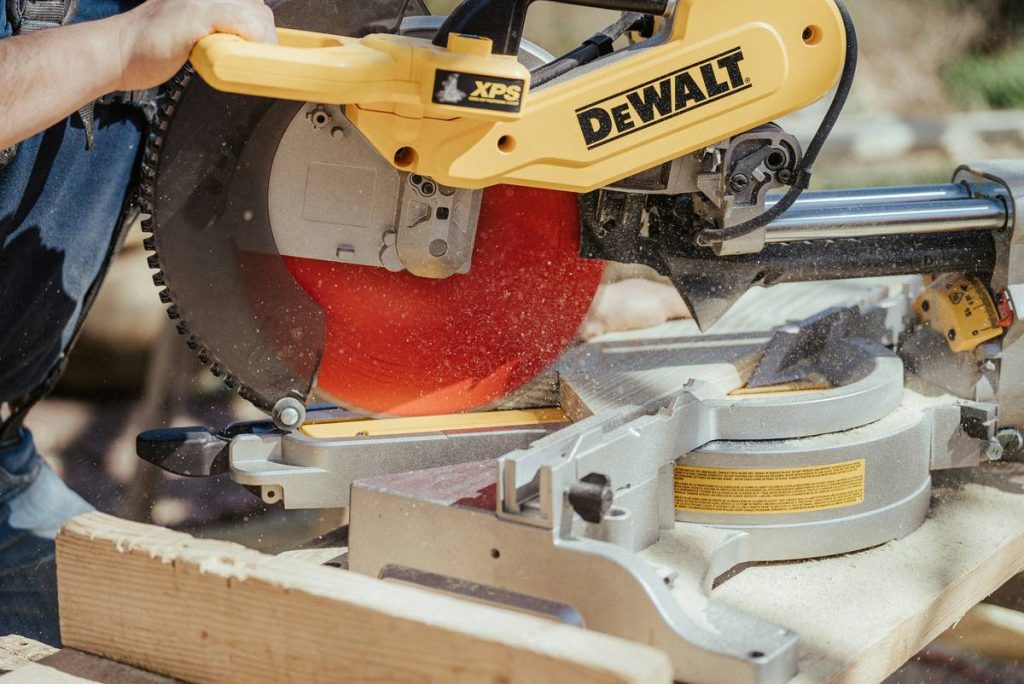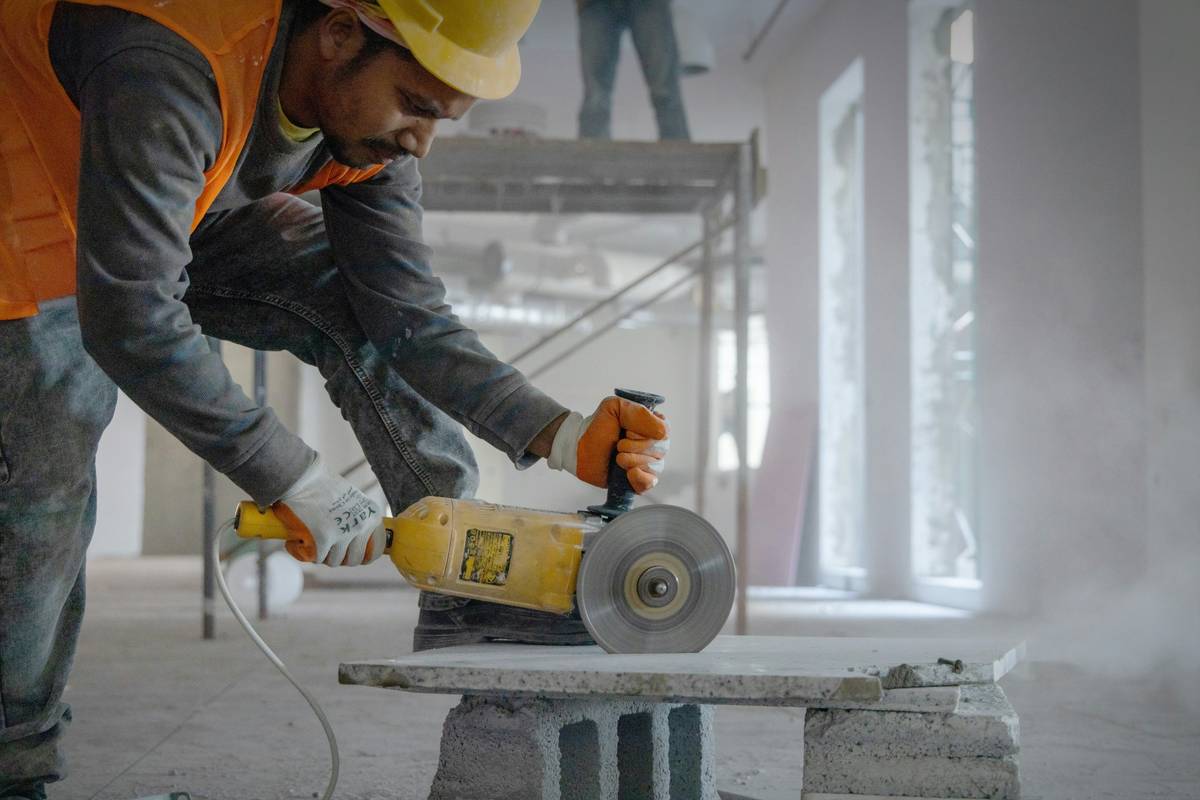
Ever stood in your driveway at 7 a.m., sweat dripping into your eyes, wrestling with a wobbling, screeching circular saw that’s barely scratching the surface of a concrete paver? Yeah. I’ve been there—twice—once while trying to cut expansion joints for a patio pour, and again during a botched backyard remodel that left me with a $200 blade buried halfway through a curb. Spoiler: It wasn’t the concrete’s fault. It was mine.
If you’re Googling “circular saw for concrete,” you likely need to make precise, clean cuts in masonry—but don’t realize most standard circular saws aren’t built for this job. This post cuts through the noise (and the dust) to give you:
- A no-BS guide to choosing the right tool
- Step-by-step instructions for safe, effective cutting
- Real-world mistakes to avoid (yes, including my curb disaster)
- The only type of blade that won’t melt mid-cut
Let’s turn your frustration into finished edges.
Table of Contents
- Why Concrete Isn’t Like Wood (And Why That Matters)
- Step-by-Step: How to Cut Concrete with a Circular Saw
- 5 Pro Tips for Cleaner Cuts and Longer Tool Life
- Real Case Study: My Backyard Patio Fail (Turned Win)
- Frequently Asked Questions
Key Takeaways
- Standard circular saws can cut concrete—but only with a diamond blade and proper technique.
- Dry-cutting generates extreme heat; wet-cutting extends blade life and reduces silica dust (OSHA’s biggest concern).
- Never use a wood-cutting blade on concrete—it will shatter or overheat dangerously.
- For cuts deeper than 2.5 inches, consider a dedicated concrete saw or angle grinder.
- Always wear an N95 respirator—concrete dust contains crystalline silica, a known carcinogen.
Why Concrete Isn’t Like Wood (And Why That Matters)
Here’s the brutal truth: Concrete is unforgiving. It’s abrasive, dense, and full of aggregate that grinds steel like sandpaper on butter. A standard 7¼-inch circular saw—designed for framing lumber—lacks the RPM stability, torque curve, and blade compatibility needed for consistent masonry work.
I once tried cutting a sidewalk trench with my DeWalt DWE575 (a fantastic wood saw!) fitted with a cheap “multi-material” blade from a big-box store. Two minutes in, the motor smoked like a dragster at the line—whirrrr-clunk—and died. Lesson learned the hard way: Not all blades are created equal, and not all saws can handle the thermal load.
According to OSHA, over 2 million U.S. workers are exposed to respirable crystalline silica annually—much of it from dry-cutting masonry without controls. That’s why understanding your tool’s limits isn’t just about performance—it’s a health imperative.
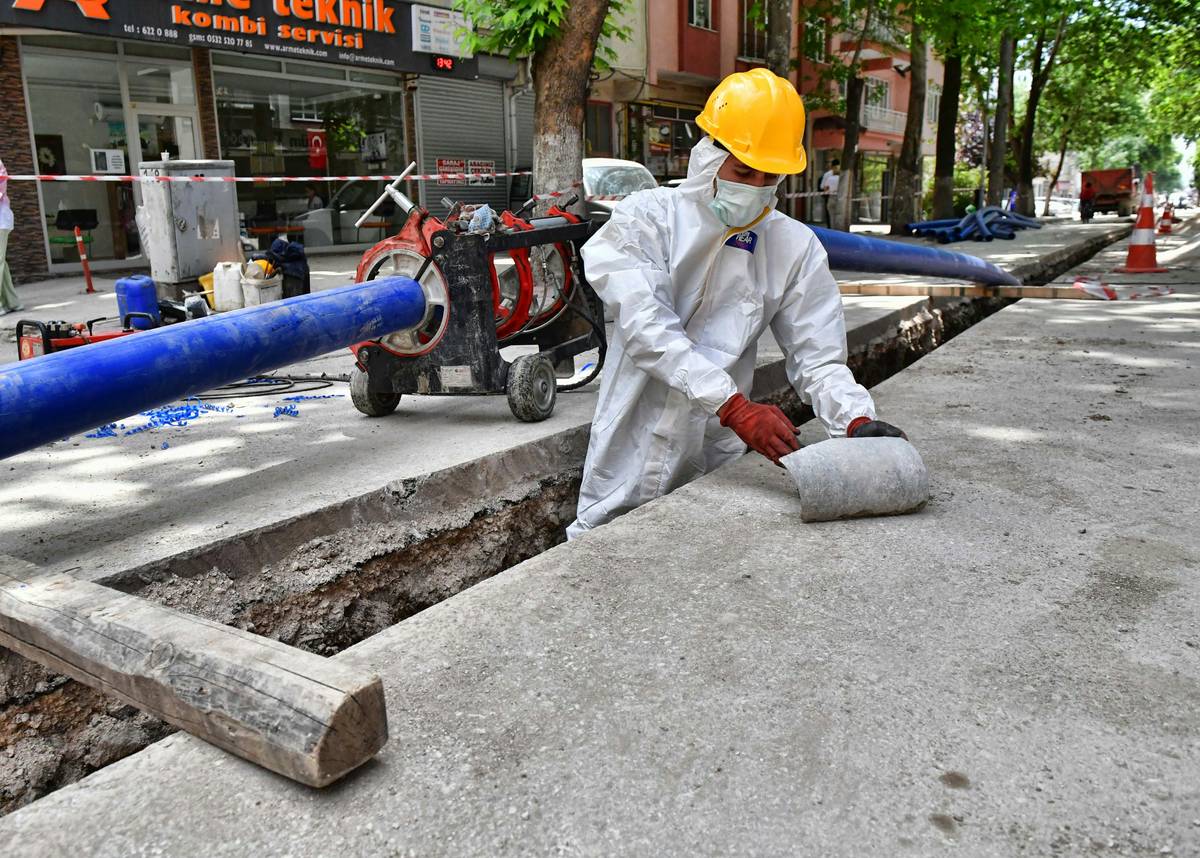
Step-by-Step: How to Cut Concrete with a Circular Saw
Can I really use a regular circular saw on concrete?
Optimist You: Yes—with the right blade and prep!
Grumpy You: Ugh, fine—but only if you promise not to skip the respirator. And maybe keep a fire extinguisher handy. Just saying.
Step 1: Confirm Your Saw Can Handle It
Check your manual. Most modern 15-amp corded circular saws (like Milwaukee M18 Fuel or Makita 5007NB) can accept diamond blades up to 7¼”. But battery-powered models often lack sustained torque—avoid them for anything beyond shallow scoring.
Step 2: Choose the Right Blade
Ditch segmented “turbo” blades for wet/dry versatility. For occasional DIY cuts, a continuous-rim diamond blade (e.g., Husqvarna K760-compatible) works best. Look for:
– Laser-welded segments
– Arbor size matching your saw (usually 5/8″)
– Max RPM rating ≥ your saw’s no-load speed
Step 3: Control the Dust (Seriously)
OSHA mandates silica exposure below 50 μg/m³. Dry-cutting? Use a HEPA vacuum with a shroud attachment. Better yet: go wet. Attach a garden hose to your blade guard using a wet-cutting kit (available for ~$25). The water suppresses dust and cools the blade—extending life by 3x.
Step 4: Make the Cut
– Mark your line with chalk.
– Set depth to just slightly deeper than needed (e.g., 1.5″ for a 1.25″ slab).
– Start the saw before touching concrete.
– Let the blade do the work—don’t force it. Maintain steady pressure.
– Stop every 30 seconds to let the motor cool if dry-cutting.
5 Pro Tips for Cleaner Cuts and Longer Tool Life
- Never plunge-cut concrete. Always start at the edge. Plunging creates uncontrolled stress and can crack the slab.
- Use a straightedge guide. Clamp a metal level or aluminum bar to ensure straight cuts—freehand wobble ruins edges.
- Blade direction matters. Diamond blades cut on the upstroke. Ensure your saw’s rotation matches the blade’s arrow marking.
- Store blades dry. Moisture causes segment delamination. Hang them or keep in original packaging.
- Replace worn blades early. If cutting slows dramatically or excessive sparking occurs, retire it. A dull diamond blade overheats faster.
Terrible Tip Disclaimer
“Just use an old wood blade—it’ll work in a pinch.” NO. This is how you get flying shrapnel or motor burnout. Wood blades have carbide teeth designed for fibrous material, not abrasion resistance. It’s like using a butter knife to chop ice—dangerous and ineffective.
Real Case Study: My Backyard Patio Fail (Turned Win)
Last summer, I attempted to retrofit drainage channels into an existing 4-inch concrete patio. First attempt: dry-cut with a cheap segmented blade on my Ryobi cordless saw. Result? Blade glaze-over at ¾”, motor alarm beeped, and silica dust coated my neighbor’s prized roses. (Apologies, Mrs. Langley.)
Second try: I rented a 14″ walk-behind concrete saw—but that was overkill for 10 linear feet. Final solution? My trusty Makita 5007NB + Husqvarna 7¼” Continuous Rim Wet/Dry Diamond Blade + DIY hose adapter ($18 on Amazon). Used wet-cutting, followed a clamped straightedge, and scored cleanly to 2.25″. Broke the rest out with a hammer and chisel.
Total time: 45 minutes. Total cost: $32 in blade rental equivalent. Patio drainage? Fixed. Roses? Recovered. Ego? Mostly intact.
Frequently Asked Questions
Can a circular saw cut rebar inside concrete?
No. Diamond blades can score around rebar but won’t cut through it efficiently. Use a reciprocating saw with a metal-cutting blade for embedded steel.
How deep can a 7¼” circular saw cut concrete?
Maximum depth is ~2.5 inches at 90°. For thicker slabs (e.g., foundations), use a larger saw or undercut from both sides.
Is wet-cutting really necessary?
For cuts under 1 minute, dry-cutting with a HEPA vacuum may suffice. But for anything longer, wet-cutting is safer, cooler, and OSHA-preferred. Plus, it keeps your lungs intact.
What’s the best circular saw for concrete under $200?
The Makita 5007NB (corded, 15A) consistently ranks high for durability and blade compatibility. Pair it with a $45 diamond blade—you’ll outperform $400 specialty tools for light-duty jobs.
Conclusion
A circular saw for concrete can work—if you respect the material, prioritize safety, and never compromise on the blade. Forget hacks and half-measures. Use wet-cutting when possible, wear proper PPE, and let the diamond do its job. Done right, you’ll achieve clean, controlled cuts without melting your motor or risking your health.
Now go fix that patio. And maybe bring Mrs. Langley some apology roses.
Like a Tamagotchi, your circular saw needs daily care—clean the vents, check the blade, and never feed it rebar.
Concrete bites back
But diamonds? They cut true
Dust mask stays on tight