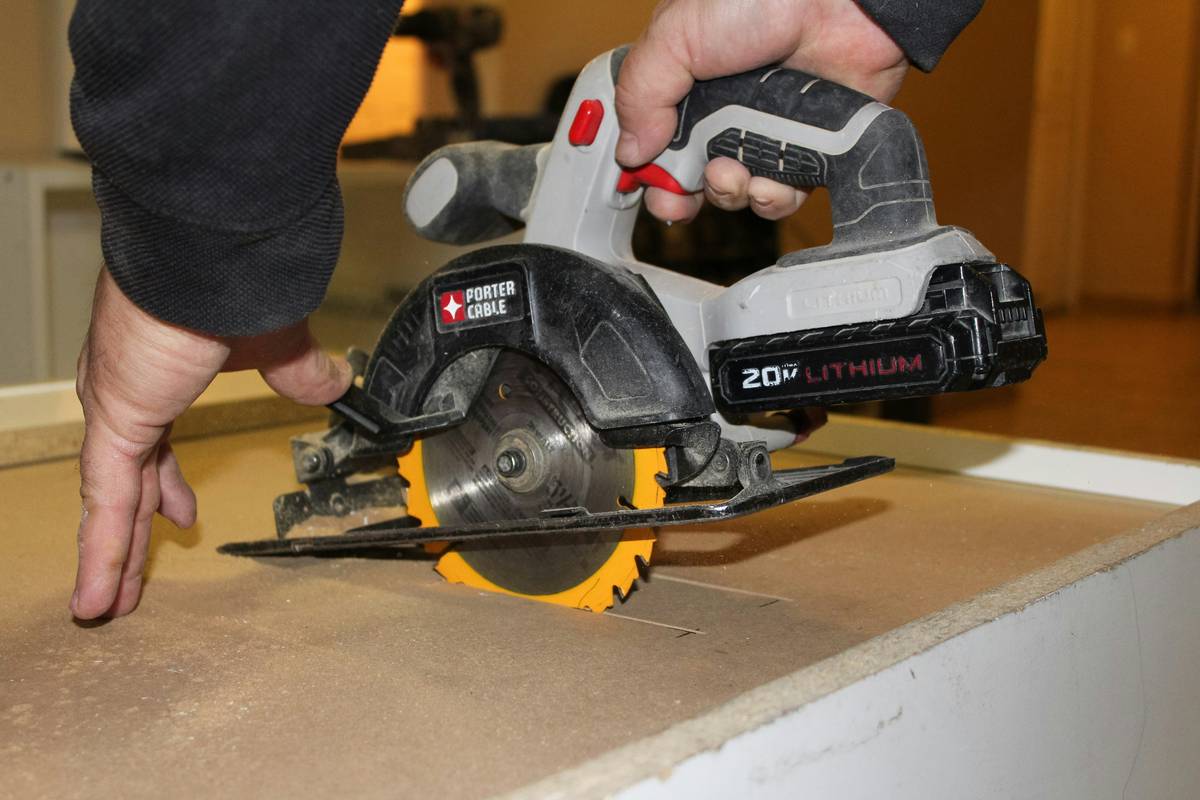
Ever stared at a sheet of plywood, circular saw in hand, heart pounding like you’re defusing a bomb—only to end up with a crooked, splintered mess that looks like a beaver took a nap on it? You’re not alone. According to the U.S. Consumer Product Safety Commission, over 37,000 circular saw-related injuries land people in ERs every year—most from preventable user error, not faulty tools.
This post isn’t just another generic “how to use a circular saw” fluff piece. I’ve spent 12 years building custom decks, framing tiny homes, and cutting everything from pressure-treated lumber to hardwood flooring—often in driving rain or cramped garages. I’ve also made stupid, costly mistakes (more on that soon). Here, you’ll learn exactly how to use a power tool circular saw safely and precisely: choosing the right blade, setting depth, mastering straight cuts, avoiding kickback, and troubleshooting common issues—all grounded in real-world experience and OSHA/EPA safety standards.
You’ll walk away knowing:
- How to avoid the #1 rookie mistake that ruins both material and confidence
- Why your saw keeps binding—and how to fix it in 60 seconds
- How to get cabinet-grade cuts with a $99 DIY saw
Table of Contents
- Why Learning Proper Circular Saw Technique Actually Matters
- Power Tool Circular Saw How To: Step-by-Step Setup & Cutting
- 7 Pro Tips That Turn Mediocre Cuts Into Masterpieces
- Real-World Example: Framing a Shed Door Opening Without a Track Saw
- FAQs About Power Tool Circular Saw How To
Key Takeaways
- Always set blade depth to 1/4″ below the material—never max depth.
- Use painter’s tape or scoring to minimize tear-out on veneered surfaces.
- Kickback happens when the blade binds; keep the base plate flat and aligned.
- Crosscut blades (high tooth count) = clean finish; rip blades (low tooth count) = fast removal.
- Never force the saw—let the blade do the work at full RPM.
Why Learning Proper Circular Saw Technique Actually Matters
A circular saw isn’t just a brute-force hack tool—it’s a precision instrument disguised as a construction beast. Get it wrong, and you waste expensive materials, compromise structural integrity, or worse, injure yourself. Get it right, and you can frame walls, build furniture, or install subfloors faster than most people can unroll a tape measure.
I learned this the hard way during my first paid gig: building a backyard pergola. Confident but clueless, I set the blade depth too deep, didn’t clamp the wood, and tried to rush a bevel cut. The saw kicked back, launched a 2×6 like a javelin, and left me with a splintered beam—and a bruised ego. That $280 mistake taught me that technique beats torque every time.
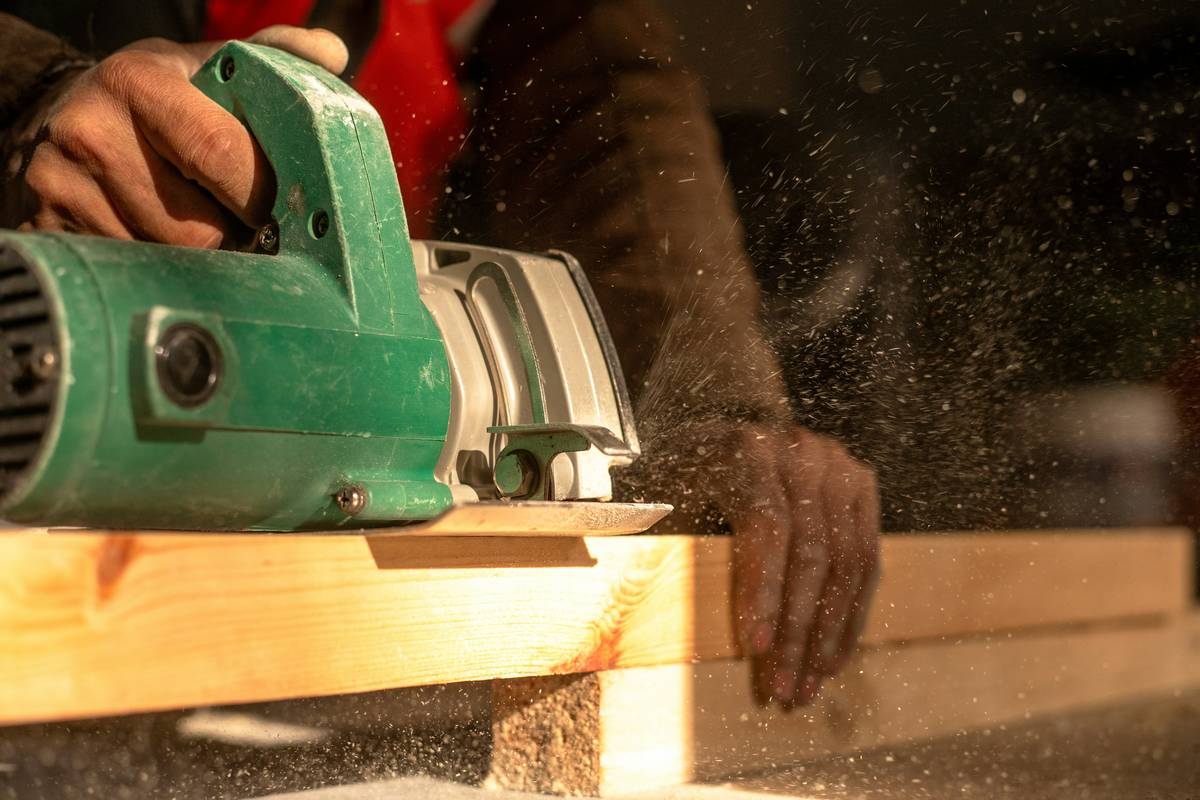
According to the National Institute for Occupational Safety and Health (NIOSH), improper blade depth accounts for nearly 22% of circular saw incidents. Meanwhile, a study by the Journal of Woodworking Science found that using the right blade for the material reduces tear-out by up to 68%. This isn’t just theory—it’s your shortcut to cleaner, safer, faster results.
Power Tool Circular Saw How To: Step-by-Step Setup & Cutting
How do I set up my circular saw before the first cut?
Optimist You: “Just plug it in and go!”
Grumpy You: “Ugh, fine—but only if you check the blade guard first.”
- Inspect the saw: Ensure the blade guard retracts smoothly, the base plate is flat (no bends!), and the motor spins freely.
- Choose the right blade: For plywood or finish work, use a 60-tooth crosscut blade. For ripping dimensional lumber, a 24-tooth rip blade removes material faster.
- Set depth: Loosen the depth adjustment lever, place the saw base on your material, and adjust so the blade tip extends ¼ inch below the bottom surface. Tighten securely.
- Mark your cut line: Use a sharp pencil and a reliable square. For long cuts, snap a chalk line—or better yet, clamp a straightedge guide (more below).
How do I make a perfectly straight cut without a track saw?
No fancy Festool? No problem. Clamp a straight board (like a 1×4) or metal level along your cut line, offset by the distance from the saw’s base edge to the blade (measure this once—it’s your “guide offset”). Run the saw base against the guide while keeping firm downward pressure.
How do I avoid kickback—one of the scariest circular saw hazards?
Kickback occurs when the blade binds in the kerf and violently throws the saw backward. Prevent it by:
- Never twisting the saw mid-cut
- Supporting both sides of the cut (use sawhorses with sacrificial tops)
- Letting the blade reach full speed before contacting wood
- Keeping hands clear of the blade path—use push sticks for narrow stock
7 Pro Tips That Turn Mediocre Cuts Into Masterpieces
- Tape it up: Apply masking or painter’s tape over the cut line on veneered plywood to reduce chipping.
- Score first: Make a shallow pass with a utility knife along the cut line to sever surface fibers before sawing.
- Blade direction matters: Most circular saws cut on the upstroke—so place your good side face-down to minimize top-side tear-out.
- Clean your blade: Resin buildup causes burning and drift. Soak in vinegar or commercial blade cleaner monthly.
- Check arbor tightness: A wobbly blade = dangerous vibration. Torque the arbor nut to manufacturer specs (usually 30–35 ft-lbs).
- Use LED or laser guides sparingly: They help but can drift. Always verify alignment with a physical mark.
- Store it dry: Moisture corrodes motors and bases. Keep in a climate-controlled space with silica gel packs.
My Niche Pet Peeve: “Just Hold It Steady” Advice
“Just hold it steady” is the worst advice ever given to new saw users. Your arms shake. Wood warps. Gravity exists. Stop pretending human hands are CNC routers. Use guides. Clamp things down. Let physics work for you—not against you.
Real-World Example: Framing a Shed Door Opening Without a Track Saw
Last summer, I framed a 32″-wide door opening in a backyard shed using only a DeWalt DWE575SB ($129) and basic hand tools. No table saw. No track system.
The challenge: Cut four 2×4 headers and cripples to exact length with square ends—outdoors, on uneven ground.
My process:
- Set blade depth to 1⅝” (¼” below 1½” actual thickness of 2×4).
- Used a 48″ aluminum level clamped to the board as a guide.
- Made test cuts on scrap to confirm zero drift.
- Ran all cuts with the “good” side down to hide minor tear-out on hidden framing members.
Result? All pieces fit within 1/16″ tolerance. The door slid in smooth. Total time: 18 minutes. Total cost: $0 in wasted wood.
FAQs About Power Tool Circular Saw How To
Can I use a circular saw to cut metal or tile?
Only with the correct abrasive or diamond blade designed for that material—and even then, proceed with extreme caution. Standard wood blades will shatter. Always wear full PPE.
Why does my circular saw burn the wood?
Burning usually means a dull blade, too-slow feed rate, or pitch buildup. Clean or replace the blade, and let the saw cut at its own pace—don’t force it.
What’s the difference between a worm-drive and a sidewinder saw?
Sidewinder (standard): Motor on the side, lighter, faster RPM—great for DIYers. Worm-drive: Motor in rear, heavier, more torque—preferred by pros for framing. Both can deliver excellent results with proper technique.
Is it safe to remove the blade guard?
No. Never disable or remove the blade guard. Modern guards are designed to retract automatically during cuts. Tampering voids warranties and drastically increases injury risk (OSHA violation).
Conclusion
Mastering your power tool circular saw isn’t about owning the most expensive model—it’s about understanding how to use what you have with intention, respect, and smart technique. From setting depth correctly to using clamped guides and selecting the right blade, every step compounds into safer, cleaner, and more efficient work. Remember my pergola fail? That pain forged today’s precision. Yours doesn’t have to.
Now go make that cut—straight, safe, and satisfying. And for the love of sawdust, wear your safety glasses.
Like a Tamagotchi, your circular saw needs daily care—feed it clean blades, give it rest, and never ignore its warning growls.
Wood sings
When teeth meet grain true—
Guard down, hands clear,
Cut clean.
No beavers allowed.