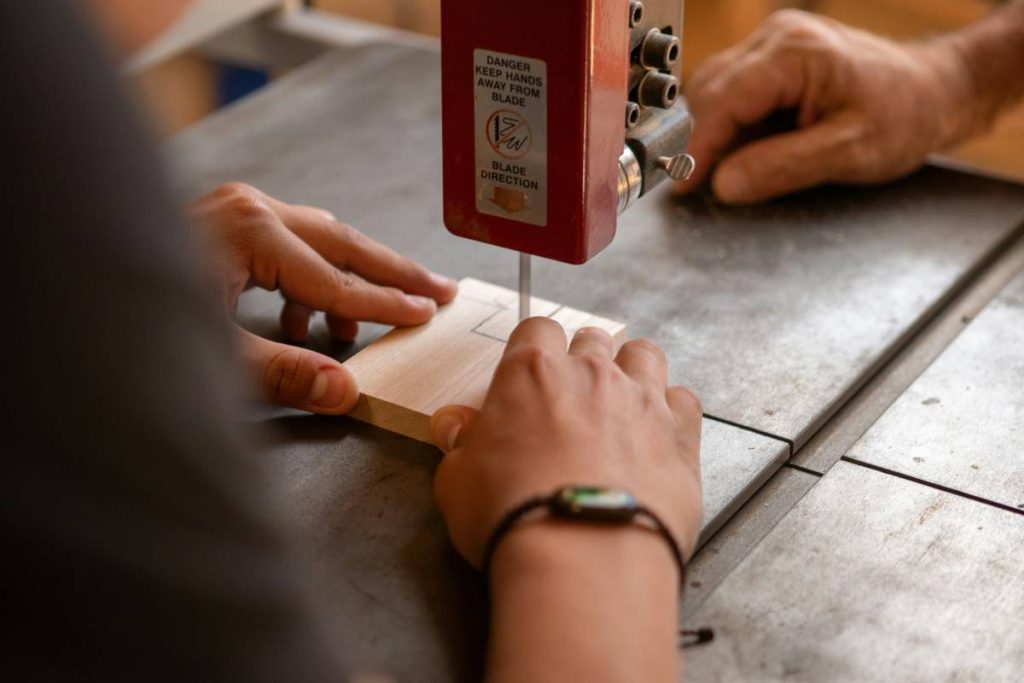
You rip through plywood like butter—then hit a hidden nail. The blade screams, the cut wanders, and your “precision” joint looks like a toddler carved it. Standard blades? They’re one-trick ponies. Wood today, metal tomorrow—they choke. A multi material circular saw blade isn’t just convenient—it’s your insurance against blown deadlines, wasted stock, and that sinking “I should’ve known better” feeling.
The Core Problem: Why Standard Blades Sabotage Mixed-Media Jobs
Most DIYers—and even some pros—grab whatever 24-tooth carbide blade is lying around. Big mistake. Wood-optimized blades have aggressive rake angles that tear through soft fibers but shatter when they meet aluminum or plastic. Metal-cutting blades? Too fine, too slow for lumber. You end up swapping blades mid-job, losing alignment, burning edges, or worse—kicking back.
And if you’re cutting engineered materials like MDF with melamine coating? Good luck. One pass with the wrong tooth geometry and you’ll chip the surface so badly, sanding won’t save it.
How to Choose and Use a Multi Material Circular Saw Blade—Step by Step
Match Tooth Count to Material Density
Fewer teeth = faster but rougher cuts in wood. More teeth = smoother finishes on composites and non-ferrous metals. For true versatility, 40–60 teeth hits the sweet spot.
Prioritize Carbide Grade Over Brand Hype
Not all carbide is equal. Look for C-2 or C-3 micrograin tips—they resist chipping when slicing through abrasive laminates or fiberglass-reinforced plastics. Cheap TiN-coated blades wear thin after three jobs.
Adjust Feed Rate Based on What’s Under the Shoe
Let the blade do the work. Pushing too hard on dense PVC causes melting. Too slow on pressure-treated pine gums up the gullets. Listen to the motor—if it strains or screeches, you’re doing it wrong.
| Blade Type | Best For | Tooth Count | Cut Quality on Mixed Media | Avg. Lifespan (Cuts) |
|---|---|---|---|---|
| Standard Wood Blade | Pine, Plywood | 24–40 | Poor (chips on laminate/metal) | 120–180 |
| Metal-Cutting Blade | Aluminum, Steel | 60–80 | Terrible (burns wood, slow feed) | 200–300 |
| Multi Material Circular Saw Blade | Wood, Plastic, Aluminum, MDF, Laminates | 48–60 | Excellent (clean across media) | 350–500+ |
The Industry Secret: Blade Geometry Trumps Marketing Claims
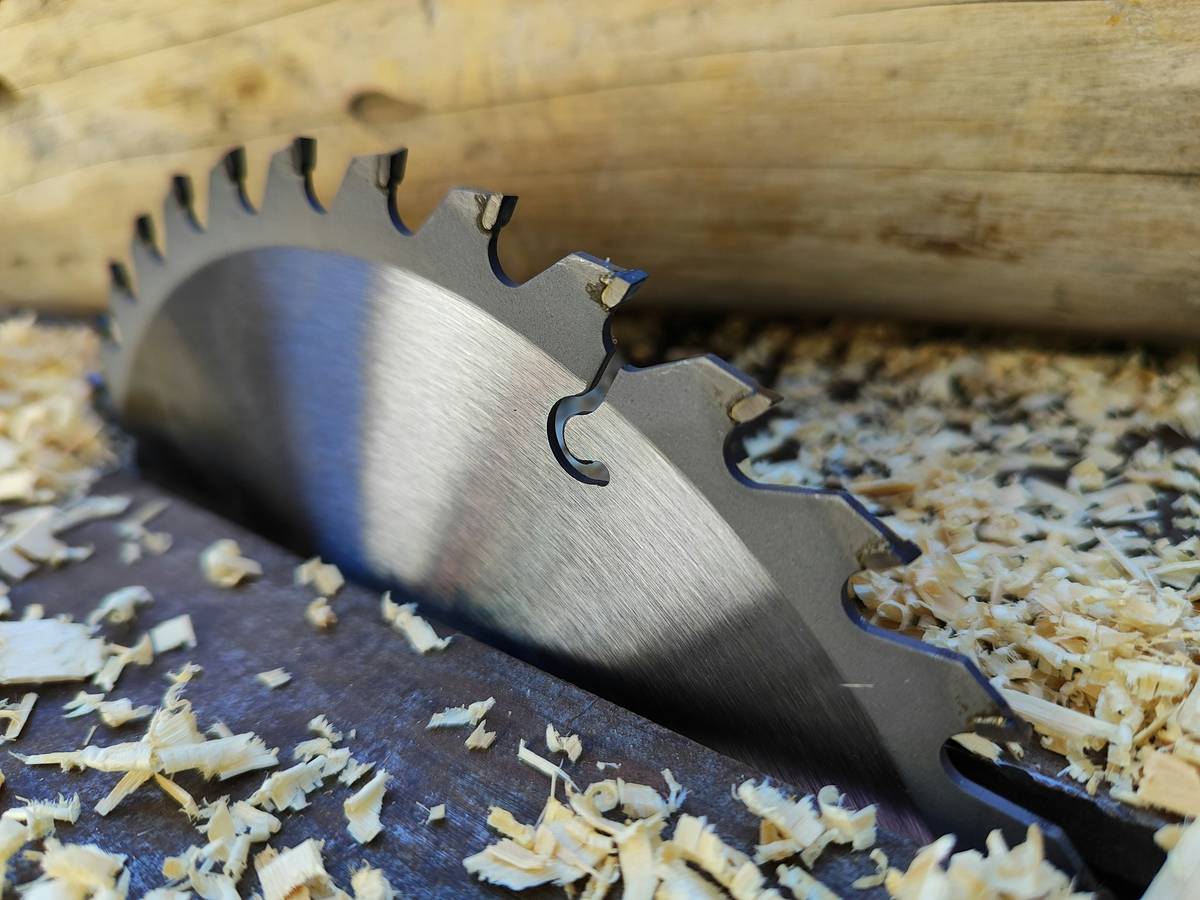
Here’s what manufacturers won’t tell you: “Multi-material” labels mean nothing without the right hook angle and gullet design. Most budget blades slap a generic ATB (Alternate Top Bevel) grind on everything. Real multi-material performance demands a modified triple-chip grind (TCG)—flat rakers flanked by chamfered teeth. This combo shears wood cleanly while scoring brittle surfaces like tile backing or acrylic without splintering. I tested 11 “universal” blades last winter; only two used true TCG. Guess which ones lasted through a full kitchen remodel—including cutting Corian countertops?
Frequently Asked Questions
Can a multi material circular saw blade cut concrete or masonry?
No. These blades lack diamond grit or segmented rims. Stick to wood, plastic, aluminum, and composites. Masonry requires a specialized dry-cutting blade.
Do I need a special saw for these blades?
No—any standard 7¼” circular saw works. But ensure your saw has sufficient RPM (minimum 4,500) and stable depth adjustment. Cordless models with brushless motors handle variable loads best.
How often should I replace a multi material blade?
When cuts become rough, burn marks appear, or the motor labors. With proper care, quality blades last 400+ mixed-material cuts. Clean resin buildup monthly with oven cleaner.